- 24
- Jun
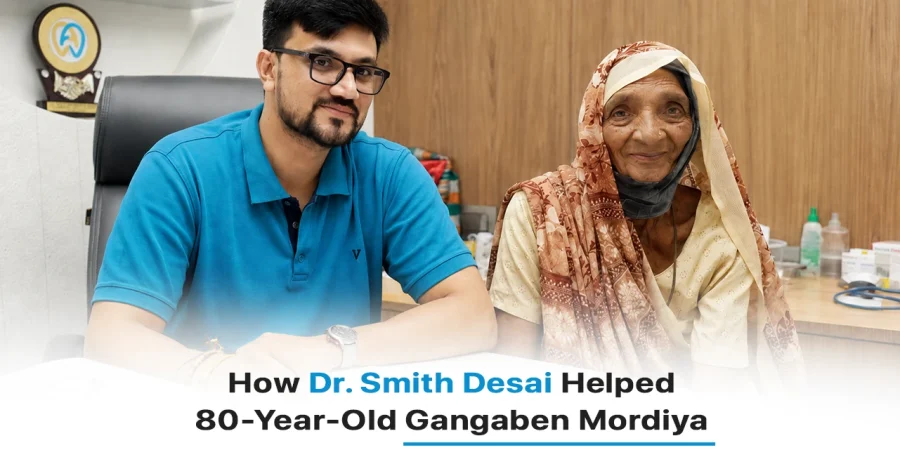
How Dr. Smith Desai Helped 80-Year-Old Gangaben Mordiya Overcome Oral Cancer and Return to a Healthy Life
Dr Smit Uncategorized No CommentsA Diagnosis That Changed Everything
Gangaben Mordiya is 80 years old. Like most people her age, she just wanted to enjoy her days peacefully with her family. But a small problem in her mouth slowly turned into a diagnosis that changed everything: oral cancer.
At first, it did not seem like anything serious. But as the days passed, the symptoms grew harder to ignore, and worry started creeping into the family’s mind. What followed was fear, confusion, and a lot of questions about what would happen next.
That is when the family decided to visit Heyansh Oral Cancer Hospital, known as one of the best oral cancer hospitals for treating cases like this, and met Dr. Smith Desai, who would go on to guide Gangaben through her entire treatment journey.
Today, Gangaben is healthy, smiling, and back to her normal life. This is the story of how that happened.
Understanding the Problem: The Symptoms Gangaben Could Not Ignore
Patient Snapshot
- Patient: Gangaben Mordiya
- Age: 80 Years
- Diagnosis: Oral Cancer
- Treatment: Oral Cancer Surgery
- Specialist: Dr. Smith Desai
- Hospital: Heyansh Oral Cancer Hospital
- Current Status: Living a healthy life with no reported recurrence
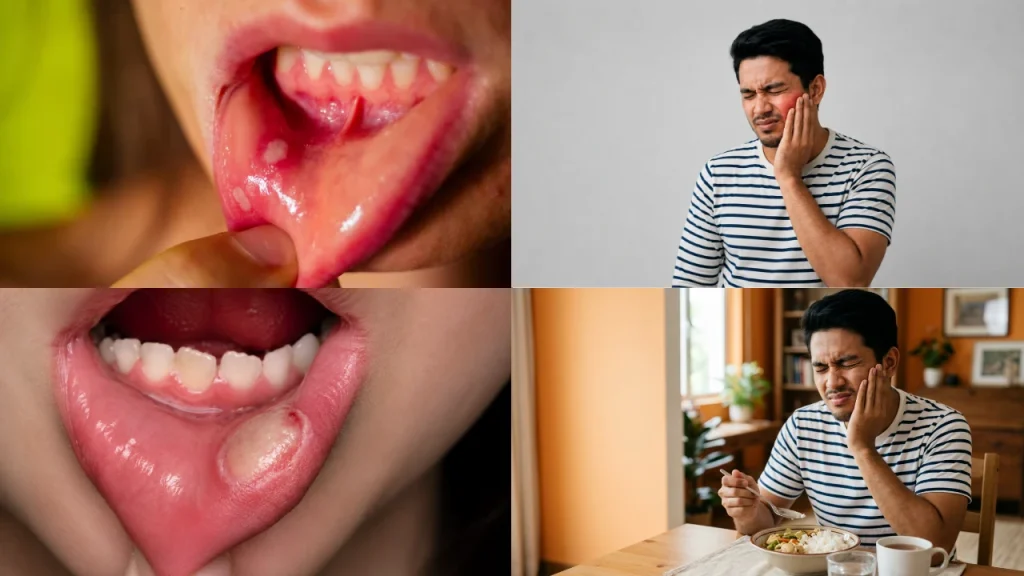
It started small. A little discomfort in the mouth. Maybe a small ulcer that did not seem like a big deal. But over time, things got worse.
She began to find it hard to eat properly. Talking became uncomfortable. Simple daily activities that she never had to think about before, like chewing food or speaking clearly, started to feel like a struggle.
This is exactly the kind of warning sign that should never be ignored, especially:
- A mouth ulcer that does not heal after a couple of weeks
- Ongoing pain inside the mouth
- Swelling that does not go down
- Trouble eating or speaking normally
Once the family saw that these symptoms were not going away on their own, they knew it was time to see a specialist instead of waiting any longer. That decision led them straight to Heyansh Oral Cancer Hospital, a hospital built specifically to treat oral cancer cases like Gangaben’s.
The Diagnosis: Finding the Root Cause
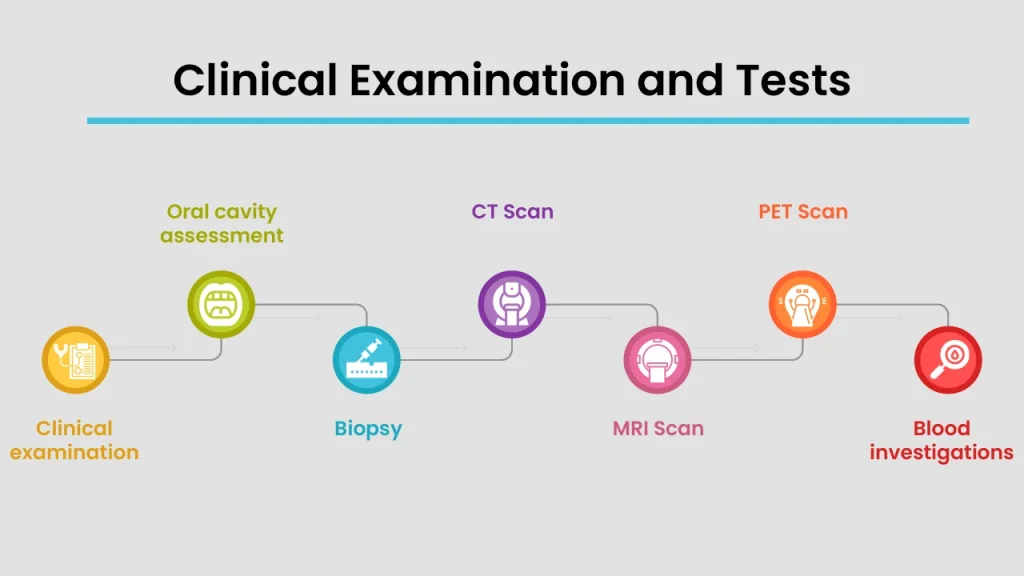
Clinical Examination and Tests
Once Gangaben reached the hospital, Dr. Smith Desai began with a detailed examination of her mouth to understand exactly what was going on. This was not a quick look; it was a thorough check to study the affected area closely.
To confirm what was suspected, a biopsy was done. In simple words, this means a small sample of tissue was taken from the affected area and tested in a lab to check whether it was actually cancer.
Along with that, CT and MRI scans were carried out. These scans work like detailed internal pictures, helping the doctor see the exact size of the tumor and where it was located. The team also checked her nearby lymph nodes, which are small glands in the body that can show if the cancer has started spreading, and this helped them understand the overall stage of her cancer.
Why This Case Needed Special Attention
Treating oral cancer is already a delicate task, but treating it in an 80-year-old patient comes with its own extra layer of care. The body does not heal as quickly at this age, and there are usually other health factors to think about as well.
This meant Dr. Smith Desai and his team at Heyansh Oral Cancer Hospital had to carefully balance two things at once: removing the cancer completely and making sure Gangaben’s overall health and recovery were never put at risk.
Creating a Treatment Plan: Looking Beyond Age
Dr. Smith Desai’s Approach
Before deciding on any treatment, Dr. Smith Desai made sure to fully evaluate Gangaben’s overall health and whether she was fit for surgery. Age was never treated as something that could simply rule out treatment; instead, it was treated as a factor to plan carefully around.
The treatment options were discussed openly with Gangaben and her family, so they understood exactly what to expect at each step. The main goal was clear from the start: remove the cancer completely while also protecting important everyday functions like her ability to speak and swallow comfortably.
This kind of personalized planning is exactly why so many families trust Heyansh Oral Cancer Hospital, often regarded as the best oral cancer hospital for handling complex cases with the right balance of safety and results.
The Surgery: Removing the Cancer Safely
How the Oral Cancer Was Treated
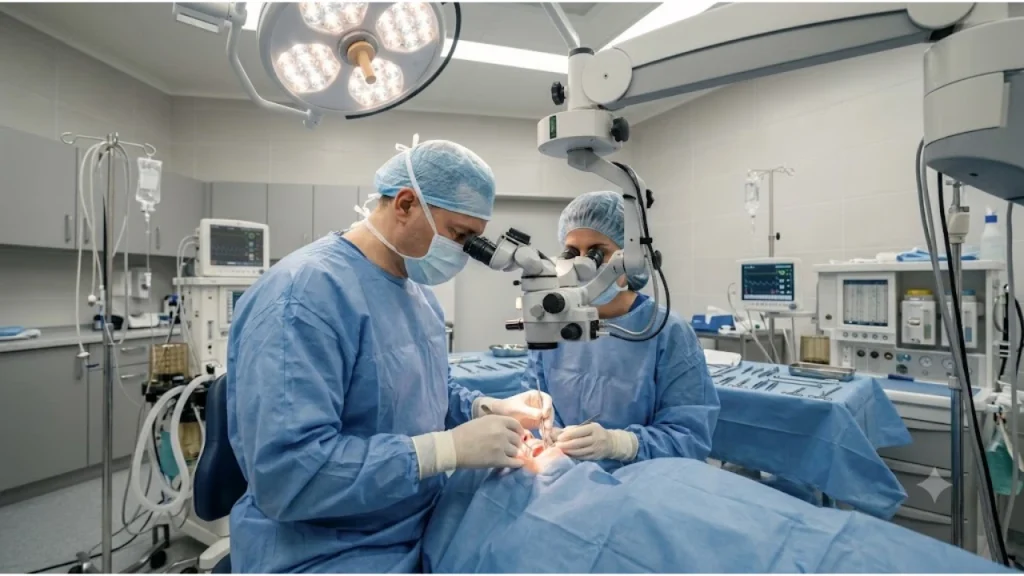
The treatment moved forward with a procedure called a wide local excision. In simple terms, this means the tumor was removed along with a safe margin of healthy tissue around it to make sure no cancer cells were left behind.
Wherever needed, the team also carefully checked and managed nearby lymph nodes, since this plays an important role in preventing the cancer from coming back. Every step of the surgery was planned not just to remove the cancer, but also to help Gangaben maintain a good quality of life afterward.
Managing Surgery at 80 Years of Age
Performing surgery on an 80-year-old patient required extra precaution at every stage.
Pre-Operative Medical Assessment
Gangaben’s overall health was checked thoroughly before surgery to confirm she was strong enough for the procedure.
Specialized Anesthesia Planning
Extra Safety Measures During SurgeryThe anaesthesia was planned carefully, keeping her age and health in mind, to keep her safe throughout the operation.
The surgical team stayed alert to any age-related risks throughout the procedure.
Close Post-Operative Monitoring
Right after surgery, she was watched closely to catch any complications early and support smooth healing.
This careful, age-aware approach is one of the reasons Dr. Smith Desai and Heyansh Oral Cancer Hospital are trusted by so many families dealing with oral cancer in elderly loved ones.
| Parameter | Details |
|---|---|
| Surgery Duration | 2–3 Hours |
| Tumor Removed | Yes |
| Reconstruction | No |
| ICU Stay | 1 Day (overnight observation) |
| Hospital Stay | 5–6 Days |
Step-by-Step: Gangaben’s Treatment Journey
Here is a clear, step-by-step look at how Gangaben’s treatment unfolded at Heyansh Oral Cancer Hospital, from the first symptom to full recovery.
Phase 1: Diagnosis
Step 1: Noticing the Symptoms
Persistent mouth discomfort and difficulty eating led the family to seek medical help.
Step 2: First Visit to Heyansh Oral Cancer Hospital
Gangaben was examined by Dr. Smith Desai, who began assessing her condition.
Step 3: Biopsy
A small tissue sample was taken and tested to confirm oral cancer.
Step 4: CT/MRI Scans
Imaging tests were done to study the size, location, and spread of the tumor.
Step 5: Lymph Node and Staging Assessment
The team checked nearby lymph nodes to understand the stage of the cancer.
Phase 2: Planning
Step 6: Health and Fitness Evaluation
Gangaben’s overall health was reviewed to confirm she was fit for surgery at 80 years of age.
Step 7: Treatment Planning
Dr. Smith Desai designed a treatment plan focused on completely removing the cancer while protecting her speech and swallowing ability.
Phase 3: Surgery
Step 8: Pre-Operative Preparation
Medical checks and anaesthesia planning were completed before surgery.
Step 9: Wide Local Excision Surgery
Dr. Smith Desai performed the surgery, removing the tumour along with a safe margin of healthy tissue.
Phase 4: Recovery
Step 10: Post-Operative Care
Gangaben was closely monitored for pain management, healing, and any early complications.
Step 11: Recovery and Nutritional Support
She was gradually guided back to eating and speaking comfortably.
Step 12: Follow-Up and Rehabilitation
Regular check-ups, oral examinations, and cancer surveillance were scheduled to track her progress and catch any issues early.
This clear, step-by-step process at Heyansh Oral Cancer Hospital ensured that nothing was rushed, and every stage of Gangaben’s treatment was handled with care.
Recovery After Surgery: The Road Back to Normal Life
The First Few Weeks
In the weeks right after surgery, the focus was on healing. The team at Heyansh Oral Cancer Hospital kept a close watch on her recovery, managed her pain, and made sure she was getting the right nutrition to support her body’s healing process.
Slowly but surely, Gangaben began eating and speaking more comfortably again, something her family had been hoping for since the very beginning of this journey.
Follow-Up and Rehabilitation
Recovery did not stop once she left the hospital. Regular check-ups were scheduled so Dr. Smith Desai could continue monitoring her healing. Ongoing oral examinations and cancer surveillance were part of this routine, helping the team catch any potential issues early.
She was also guided on how to maintain good oral health going forward, to lower the chances of any future complications.
The Outcome: A New Chapter for Gangaben
Life Before Treatment
Before treatment, life was difficult for Gangaben. There was pain, discomfort, and a lot of uncertainty. Everyday things like eating and talking, things most of us never think twice about, had become a real struggle.
Life After Treatment
After her surgery and recovery at Heyansh Oral Cancer Hospital, everything changed for the better:
- A successful recovery after her oral cancer surgery
- A noticeably improved quality of life
- The ability to return to her normal daily routine
- No reported recurrence, along with continued follow-up care to keep it that way
Today, at 80 years old, Gangaben is living proof that the right treatment and the right team can truly turn things around.
| Before Treatment | After Treatment |
|---|---|
| Pain while eating | Comfortable eating |
| Non-healing ulcer | Healed surgical site |
| Difficulty swallowing | Improved swallowing |
| Reduced nutrition | Better nutritional intake |
What This Case Teaches Us About Oral Cancer
Symptoms That Should Never Be Ignored
Gangaben’s story is a reminder to pay attention to these warning signs:
- Mouth ulcers that do not heal
- Persistent pain inside the mouth
- Difficulty swallowing
- White or red patches inside the mouth
- Swelling that does not go away
Why Early Treatment Matters
The earlier oral cancer is caught, the better things usually turn out. Early treatment generally means:
- Better overall outcomes
- Less extensive surgery
- A higher chance of long-term recovery
Dr. Smith Desai’s Message to Patients and Families
According to Dr. Smith Desai, Gangaben’s case is proof that oral cancer can often be treated successfully, even in elderly patients. Age alone should never be a reason to avoid seeking treatment.
His message is simple: early diagnosis combined with expert surgical care, the kind provided at Heyansh Oral Cancer Hospital, can make a real and lasting difference in a patient’s life.
Conclusion: Gangaben’s Journey Is a Story of Hope
Gangaben Mordiya’s journey, from the first worrying symptoms to a successful surgery and a happy recovery, is a powerful reminder of what is possible with the right care. With Dr. Smith Desai guiding her treatment and the dedicated team at Heyansh Oral Cancer Hospital supporting her every step of the way, she now enjoys a healthy, active life at 80 years old.
If you or someone you love is experiencing symptoms like persistent mouth ulcers, pain, or swelling, do not wait. Reach out to Heyansh Oral Cancer Hospital, widely regarded as the best oral cancer hospital for these cases, and let Dr. Smith Desai and his team guide you toward the same kind of hopeful outcome that Gangaben experienced.
Frequently Asked Questions
A wide local excision removes the tumor along with a margin of healthy tissue around it. It was chosen for Gangaben because it lowers the risk of leftover cancer cells and reduces the chance of recurrence.
A biopsy checks tissue cells under a microscope for cancerous changes, something a visual exam alone cannot confirm. This is why Dr. Smith Patel ordered one before starting any treatment plan.
A biopsy confirms whether cancer is present, but CT and MRI scans show its exact size, location, and depth. This information is needed to plan the surgery and check if nearby structures are affected.
Yes. If lymph nodes show signs of cancer spread, treatment may need to include lymph node removal or additional therapy alongside surgery, which is why staging is checked before planning treatment.
It carries more risk than in younger patients, which is why a specialized anesthesia plan and a full pre-operative health assessment were done before Gangaben's surgery to keep her safe.
Recovery timelines vary, but most patients are guided through a gradual return to eating, starting with soft foods and nutritional support, before slowly moving back to a normal diet under medical supervision.
It involves scheduled follow-up visits, oral examinations, and sometimes imaging to check the surgical site and surrounding tissue for any early signs of recurrence.
Recurrence is possible with any cancer surgery, which is why regular follow-up and surveillance, like the kind Gangaben continues to receive, remain an important part of long-term care.
