- 12
- Sep
Patient Guide · Reviewed by an Oral Cancer Surgeon
Oral Cancer Surgery: What to Expect Before, During and After
Medically reviewed by Dr Smit A. Desai, MDS (OMFS) — Consultant Oral Cancer Surgeon
Published 11 Sep 2026 · Last reviewed 11 Sep 2026 · ~12 min read
Key takeaways
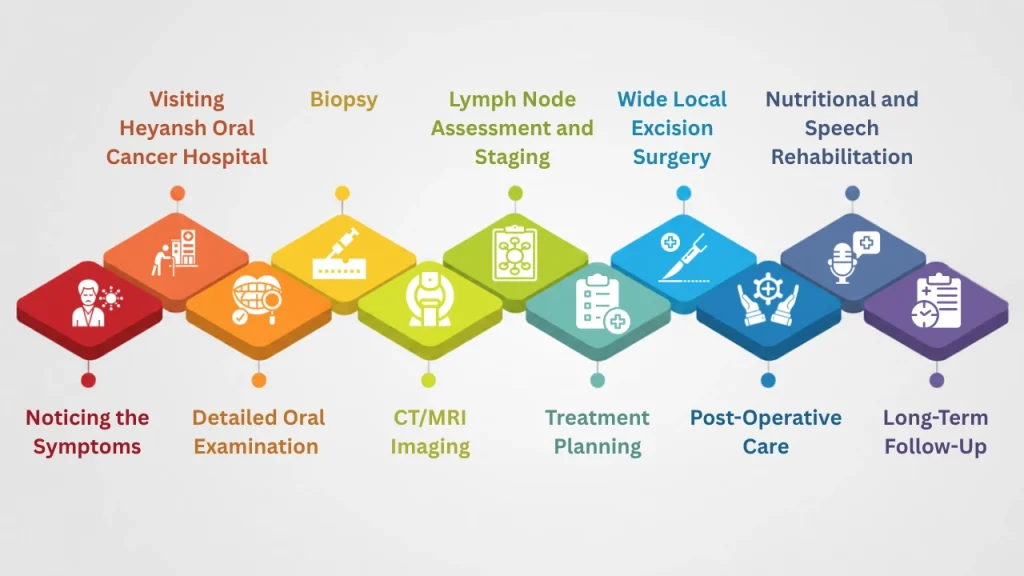
- Oral cancer surgery has three parts — removing the tumour with a margin of healthy tissue, removing neck lymph nodes, and rebuilding what was taken out. Most patients have all three in one operation.
- Before oral cancer surgery you'll have a biopsy, scans, blood tests, a dental check and an anaesthetic review — usually over one to two weeks.
- You are fully asleep throughout. A bigger operation runs several hours, because rebuilding takes as long as removal.
- You may wake up with tubes — a temporary breathing tube in the neck, a feeding tube through the nose, and drains. All of them are temporary.
- Hospital stay is usually a day or two for a small tumour, and about a week or more with reconstruction.
- Recovery comes in stages — weeks to feel physically better, months to retrain speech and swallowing. Ask your surgeon what your operation means; these ranges vary a lot.
Jump to a section
- What happens in oral cancer surgery?
- Before surgery: tests and checks
- How to prepare (and what to ask)
- During surgery: step by step
- Why the neck is operated on too
- Rebuilding the mouth
- How long does the surgery take?
- Waking up: what you'll find
- In hospital, day by day
- Recovery timeline at home
- The report — and what comes next
- For the family: planning the stay
- When to call the hospital
- FAQ
The short answer
What happens in oral cancer surgery?
✂️ 1. Removing the cancer
🔗 2. Clearing the neck
🧩 3. Rebuilding
Stage 1 · Before
Before oral cancer surgery: the tests and checks you'll go through
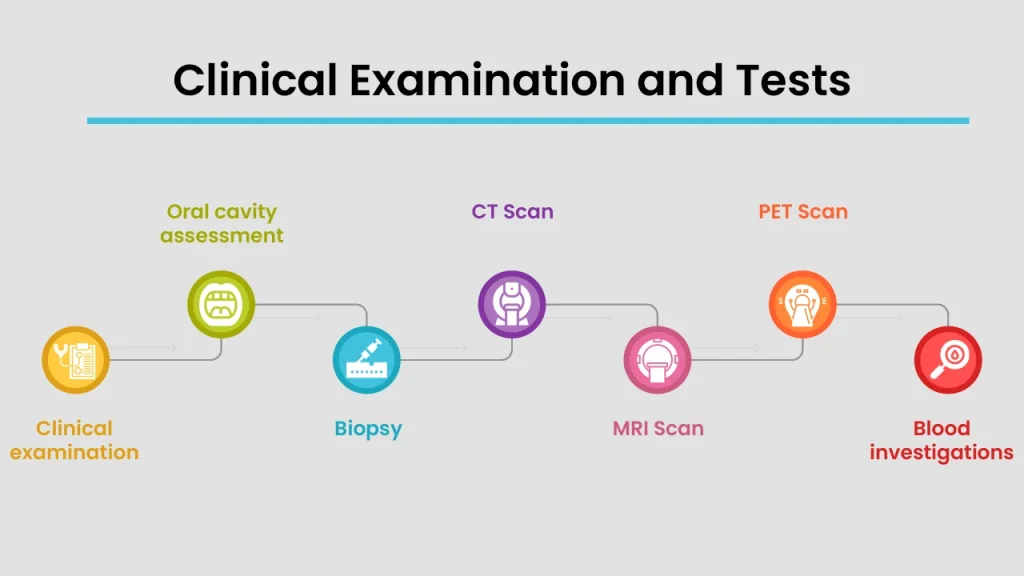
1. Biopsy — proving what it is
2. Scans — mapping how far it has gone
3. Fitness for anaesthesia
4. Dental check
5. Nutrition and tobacco
6. Meeting the anaesthetist
If the plan isn't clear, ask again — or get a second opinion
Stage 1 · Before
How to prepare for oral cancer surgery
What to do in the days before
- Stop tobacco, gutka, paan and alcohol completely — the earlier the better.
- Start the breathing exercises you're shown; they cut the risk of a chest infection.
- Eat well and take any protein supplement you've been given.
- List every medicine you take, including blood thinners and herbal or Ayurvedic products.
- Confirm when to stop eating and drinking the night before.
- Arrange an attendant, and start insurance pre-authorisation early.
Questions worth asking your surgeon
- What exactly are you removing, and what will the gap be filled with?
- Will I need a tracheostomy or feeding tube, and for how long?
- How many days in hospital if everything goes normally?
- Will my speech or eating change — temporarily or permanently?
- Will I need radiotherapy afterwards, and when would we know?
- What happens if the report shows an unclear margin?
Stage 2 · During
During oral cancer surgery: what the team actually does
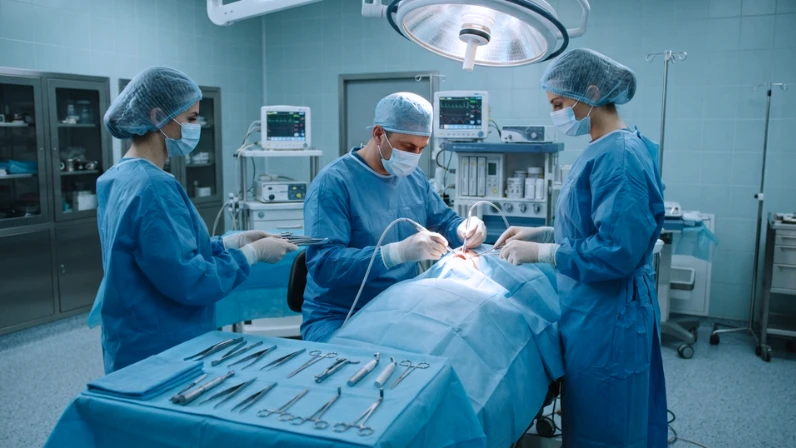
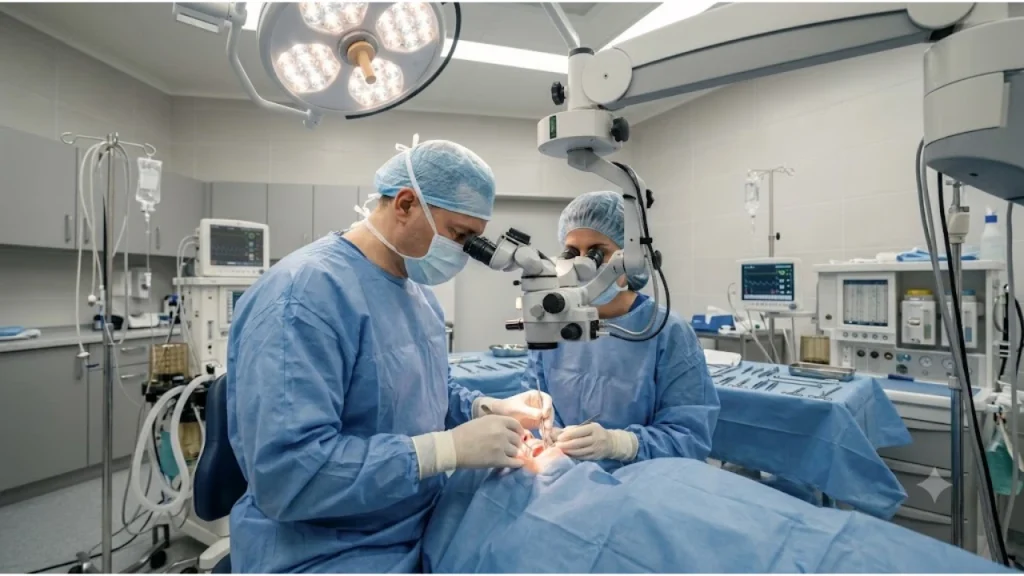
1. General anaesthesia
2. Reaching the tumour
3. Removing it with a clear margin
4. Checking the edges while you're asleep
5. Neck dissection
6. Reconstruction
7. Airway and drains
Stage 2 · During
Why the neck is operated on too
① Selective neck dissection
② Modified radical neck dissection
③ Radical neck dissection
Stage 2 · During
Rebuilding the mouth: what reconstruction does
🩹 Direct closure or a graft
🔄 Local and regional flaps
🔬 Microvascular free flaps
🦷 Prosthetic rehabilitation
Common question
How long does oral cancer surgery take?
Stage 3 · After
Waking up: what you'll find, and why none of it is permanent
🫁 A tube in your neck
🍼 A tube in your nose
💧 Drains in the neck
😐 Swelling and numbness
✍️ Not being able to talk
💊 Pain, and how it's handled
Tell your family what to expect before the day
Stage 3 · After
In hospital, day by day
| When | What’s happening | What you can do |
|---|---|---|
| Day 0 — surgery day | Closely monitored, often in intensive care after a free flap. The flap’s blood supply is checked every few hours. | Rest. Communicate by writing. One attendant only. |
| Days 1–2 | Swelling at its worst. Drains in place. Physiotherapy starts with breathing and leg exercises. | Sit up when allowed. Start the breathing exercises properly. |
| Days 3–5 | Swelling starts to fall. Drains usually come out. Mouth care begins. | Short walks in the room. Begin mouth rinses as instructed. |
| Around day 5–8 | The tracheostomy tube is removed once swelling has settled and you can breathe normally. Voice returns. | Speak gently. Don’t force it. |
| Around day 6–10 | A swallowing assessment decides when fluids by mouth are safe. The nose tube comes out once you can take enough that way. | Follow the speech therapist exactly — this is the step that gets you eating again. |
| Discharge | Wound checked, medicines explained, follow-up booked. The report is often still awaited. | Leave with written instructions and the ward’s phone number. |
Stage 3 · After
Oral cancer surgery recovery: your timeline at home
| Period | What’s typical |
|---|---|
| Week 1 at home | Tiredness is the main complaint, not pain. Soft or blended food, mouth rinses after eating, and a follow-up around seven to ten days after discharge. |
| Weeks 2–4 | Pain medicine usually stops. Stitches out. Swelling keeps falling. Speech and swallowing therapy begins in earnest. |
| Weeks 4–8 | Most people return to a light routine at home and the food range widens. Mouth-opening exercises matter a lot here, especially if radiotherapy is planned. |
| 2–6 months | Strength returns. Speech becomes clearer as the flap softens and the tongue relearns its movements. Numbness fades gradually. |
| Ongoing | Follow-up on a fixed schedule, dental care every few months, and lifelong avoidance of tobacco and areca nut. |
Speech and swallowing therapy is not optional
Stage 3 · After
The pathology report — and whether you'll need radiotherapy
✅ Clear margins, clear nodes
➕ Nodes involved or risky features
🔁 A margin that isn't clear
Practical
For the family: planning the hospital stay
🧍 One attendant, all night
🎒 What to pack
🧾 Insurance paperwork
🚌 Coming from outside Ahmedabad
🥣 Preparing the home
🗣️ Plan for a silent week
Safety
When to call the hospital after oral cancer surgery
Most recoveries are uneventful. These should never wait for the next appointment.
Call the same day
- Fever, or a wound turning red, hot or leaking.
- Bleeding from the mouth or neck that doesn't stop.
- Sudden swelling, or new difficulty breathing.
- Unable to keep fluids down, or passing very little urine.
- Pain getting worse rather than better after week one.
- The reconstructed area changing colour or going cold.
Normal, not a cause for alarm
- Numbness of the chin, lip, ear or neck.
- Tightness in the neck and a stiff shoulder.
- Swelling that comes and goes for weeks.
- Speech unclear at first, improving slowly.
- Tiring quickly in the afternoons for the first month.
- A donor site that aches more than the mouth.
Not sure which list your symptom belongs to? Call rather than wait — we’d far rather answer the phone than see a preventable problem a week later.
If you're choosing where to have it done
Why patients choose Heyansh Oral Cancer Hospital
Oral cancer is all we do
Removal and rebuilding in one sitting
Straight answers before you commit
Second opinions welcome
Help with insurance
Three clinics in Ahmedabad
Have the surgery explained to you properly
Questions & Answers
Frequently Asked Questions
What should I expect before, during and after oral cancer surgery?
Before, expect a biopsy, scans, blood tests, a dental check and an anaesthetic review over one to two weeks. During, you are fully asleep while the tumour is removed with a clear margin, neck nodes are taken out and the area is rebuilt. After, expect swelling, temporary tubes, a hospital stay of roughly two days to a week, and several weeks of recovery at home.
How long does oral cancer surgery take?
A small removal takes one to two hours. A larger operation with neck dissection and free-flap reconstruction commonly takes six to ten hours — a long operation usually reflects careful rebuilding, not a complication.
How long is the hospital stay after oral cancer surgery?
Usually a day or two for a small tumour at the front of the mouth, and about a week or more when reconstruction is involved. A day in intensive care after a free flap is routine, not a warning sign.
Will I need a tracheostomy, and will I be able to speak again?
A temporary tracheostomy keeps your breathing safe while the mouth swells. You can’t speak while it’s in because air bypasses the voice box, but the voice itself isn’t damaged — it returns when the tube comes out, usually around a week later.
Will I be able to eat after oral cancer surgery?
Not at first. A soft feeding tube through the nose gives you full nutrition for under a week, and a speech therapist checks your swallowing before you start fluids by mouth.
What is the recovery time after oral cancer surgery?
Most people feel physically better within four to eight weeks, while speech and swallowing keep improving for two to six months. Oral cancer surgery recovery time varies widely with the size of the operation.
Is oral cancer surgery painful?
Pain is expected and treated with regular medicine from the start, not on request. Most patients find the mouth less painful than they feared, and many say the donor site on the arm or leg aches more.
Will my face or appearance change?
For small cancers the change is usually minor and hidden inside the mouth. Where the jaw or a large area is removed, reconstruction restores the shape of the face — ask your surgeon to show you the plan beforehand.
Will I need radiotherapy after oral cancer surgery?
It depends on the pathology report, ready one to two weeks after surgery. If lymph nodes contained cancer or the report shows higher-risk features, radiotherapy is advised, usually starting around six weeks after the operation.
How do I prepare for oral cancer surgery?
Stop tobacco, gutka, paan and alcohol as early as you can, eat well, and start the breathing exercises you’re shown. List every medicine you take, arrange an attendant, and begin insurance pre-authorisation early.